
Big news for North Carolina: Duke University researchers have finally uncovered the mystery behind the “forever chemicals” showing up in our water—especially in the Haw River, Pittsboro, Burlington, and even Chapel Hill areas.
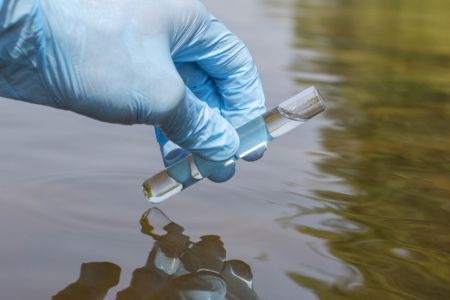
A local textile plant in Burlington was releasing invisible PFAS precursor nanop articles. Per- and polyfluoroalkyl substances (PFAS) are a group of thousands of synthetic, human-made chemicals used since the 1950s for their oil, stain, water, and heat-resistant properties. Known as "forever chemicals," they do not break down easily in the environment or the human body, leading to widespread contamination and bioaccumulation. These are NOT the types normally tested. Once they hit the wastewater treatment process, these particles transform into the harmful PFAS showing up in our rivers and drinking water.
These levels were shockingly high, millions of times above new EPA limits.
Burlington forced the plant to change its process, and PFAS levels immediately dropped across the river system. This is a rare environmental win.
Those PFAS nanoparticles piled up in biosolids spread on farmland across eastern NC for years. They are a slow release PFAS source, meaning contamination will continue for decades.
Why does this matter for NC residents?
If you live in Pittsboro, Chapel Hill, Burlington, Mebane, Graham, or anywhere downstream, this directly affects your water. This discovery helps explain years of unexplained PFAS readings. It gives NC a roadmap to stop pollution at the source, not just treat it later.
Here’s what residents, especially those in Pittsboro, Chapel Hill, Burlington, Mebane, Graham, and downstream Haw River communities, can do to protect themselves:
Consider installing a home water filter. Look for: Reverse osmosis (RO) systems (most effective). Activated carbon filters certified for PFAS reduction(Look for NSF/ANSI Standard 53 or 58). Even a well-rated countertop or under‑sink filter can make a major difference.
If you have a private well, get it evaluated and tested. PFAS can migrate through soil and groundwater for years. Check your county for free or low‑cost well testing programs. Re-test annually, especially if you’re near fields where biosolids have been used.
Use filtered water for cooking - PFAS does not boil out—it concentrates when water reduces.
Stay updated on local water reports. Your local water utility, NC DEQ PFAS updates and town alerts (especially Pittsboro and Chapel Hill). Communities will most likely issue new testing results as PFAS levels fall.
Talk to your local officials. Ask your town or county: Whether biosolids have been used nearby. If additional water treatment upgrades are planned. How PFAS monitoring will change after this discovery. Advocacy matters—Burlington’s improvements only happened after community pressure.
Be cautious with home gardening near biosolids sites. PFAS can accumulate in: Root vegetables, leafy greens, and home-raised eggs. If you’re near land where biosolids were used, consider raised beds with clean soil.
Posted on 03/02/2026 at 07:29 AM

